Our Mission
Establishing a new generation of Immune Therapy that stimulates the immune system to cure and prevent lethal diseases,
including cancers and various viruses.
Our Assets to Lead to Success
A Breakthrough Technology
As an institut Pasteur partner, TheraVectys relies on a historical partnership with the institute to continuously design and optimize innovative lentiviral vectors.
Since its creation
TheraVectys holds an exclusive, license covering most lentiviral vector patents for both human and veterinary prophylactic and therapeutic vaccines.
Unprecedented pre-clinical results
Over €100 million has been invested on a wide range of complex pathologies in the vaccine platform, combining the use of lentiviral vectors with custom-designed antigen selection.
Institut Pasteur: our historical partner
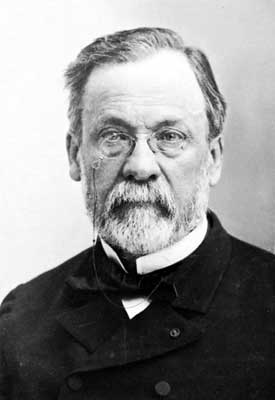
Founded in 1887 by Louis Pasteur, the Institut Pasteur is a private, non-profit foundation dedicated to biomedical research. Recognized worldwide for its contributions to public health, the institute focuses on understanding, preventing, and treating diseases—particularly infectious ones—through four core missions:
- Scientific research: studying viruses, bacteria, parasites, and the immune system.
- Public health: monitoring epidemics and advising health authorities.
- Education: training researchers and healthcare professionals from around the globe.
- Innovation: translating scientific discoveries into vaccines, diagnostics, and therapies.
- 10 Nobel prizes (including the one for HIV discovery).
- Outstanding record of publications in infectious diseases.
As the hub of the Pasteur Network, which brings together over 32 institutes across five continents, it unites thousands of scientists committed to improving human health. Its work is supported by public donations, sponsorships, and research partnerships.
External sources : Institut Pasteur, Institut Pasteur Network
A simplified overview of the main components of the immune system
The human immune system is organized around two main arms:
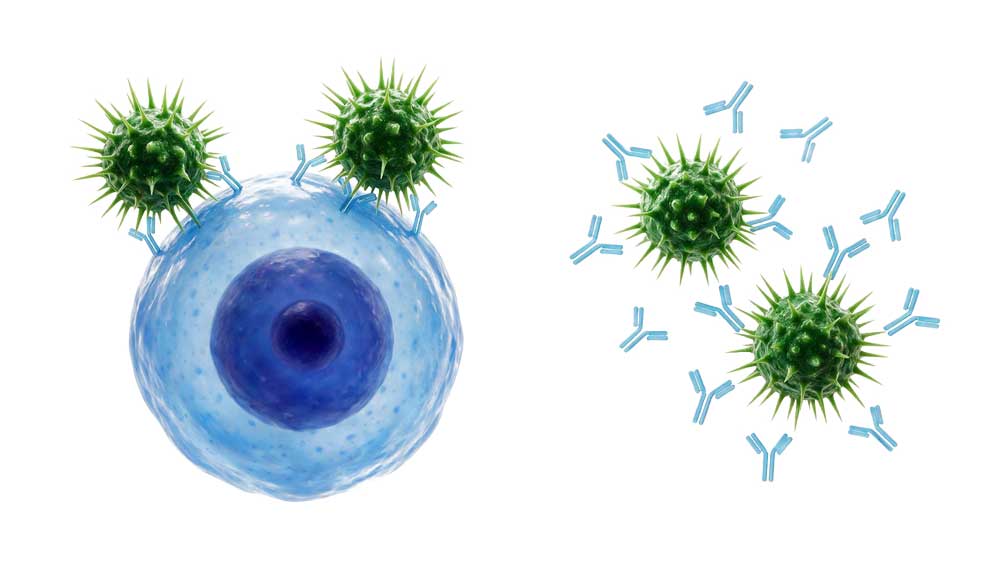
Antibodies Response
Most marketed vaccines
Based on B lymphocytes that secrete specific antibodies
that bind to the surface of the pathogen to neutralize them.
T-Cell Response
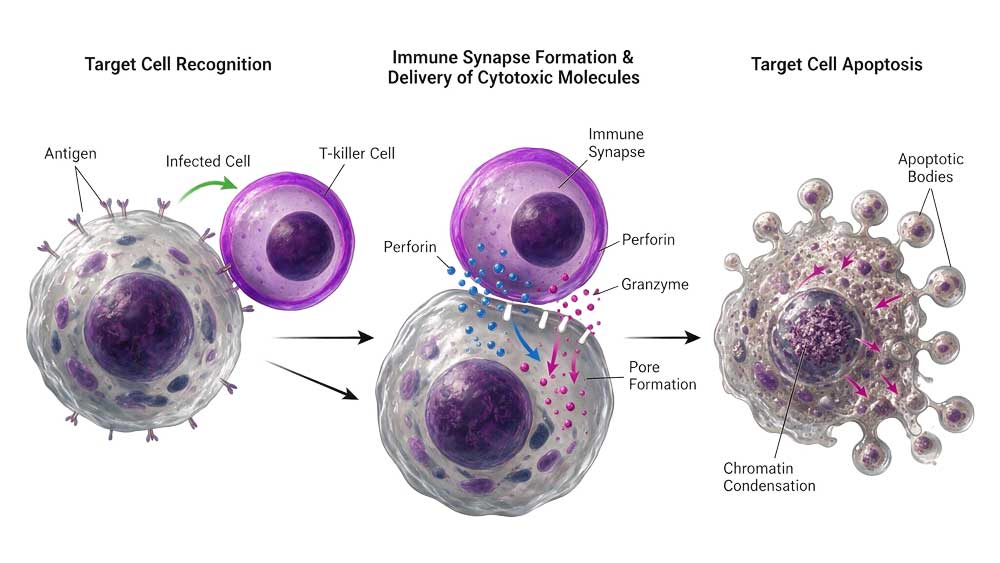
T-cell mediated response with cytotoxic activities
which directly recognize and eliminate malignant or infected cells
Almost all commercially available vaccines stimulate antibodies,
but very few strongly stimulate a T-cell response.
Since Louis Pasteur discovered how to stimulate through vaccination antibody production to prevent infection, many very serious diseases have been eliminated or cured, such as smallpox, polio, diphtheria, tetanus, and influenza. It’s worth remembering that at the beginning of the 20th century, the Spanish flu killed at least 50 million people in Europe.
Antibody vaccines have eliminated many major diseases, but there are some conditions for which the antibody response is insufficient, particularly when the disease originates from a mutation within the body, such as cancers (cancer cells being a mutation of our original healthy cells).
In these cases, the body needs the “cleansing” action of T lymphocytes: this is what is called the cellular response, the second pillar of our immune system. This cellular response is triggered and orchestrated by dendritic cells: when these cells do not activate the appropriate cellular response, we are unable to fight cancer or a disease, that then often becomes fatal.
External sources : Institut Pasteur and U.S . Centers for Disease Control and Prevention
(Taubenberger & Morens, Emerging Infectious Diseases (CDC), 2006)
TheraVectys develops vaccines that, in addition to the induction of antibody responses,
directly stimulate strong T-cell immunity.
Dendritic cell controls immune response
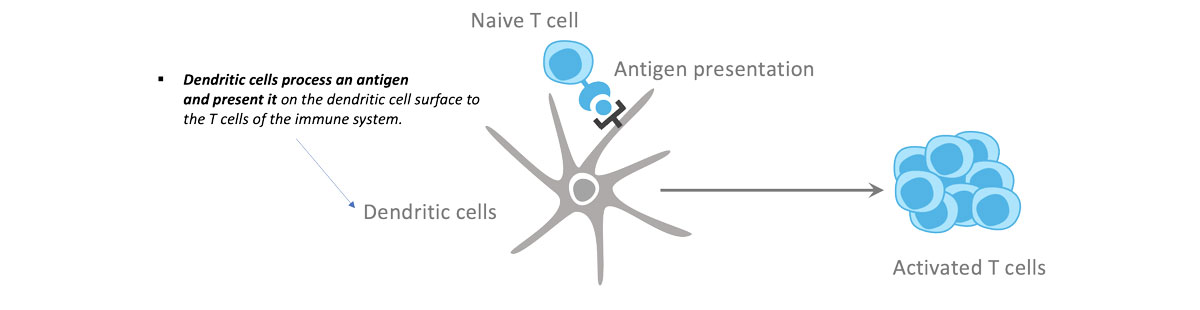
- The goal is to take control of the dendritic cell,
- However, dendritic cells are non-dividing cells. Hence very difficult to be manipulated by gene transfer.
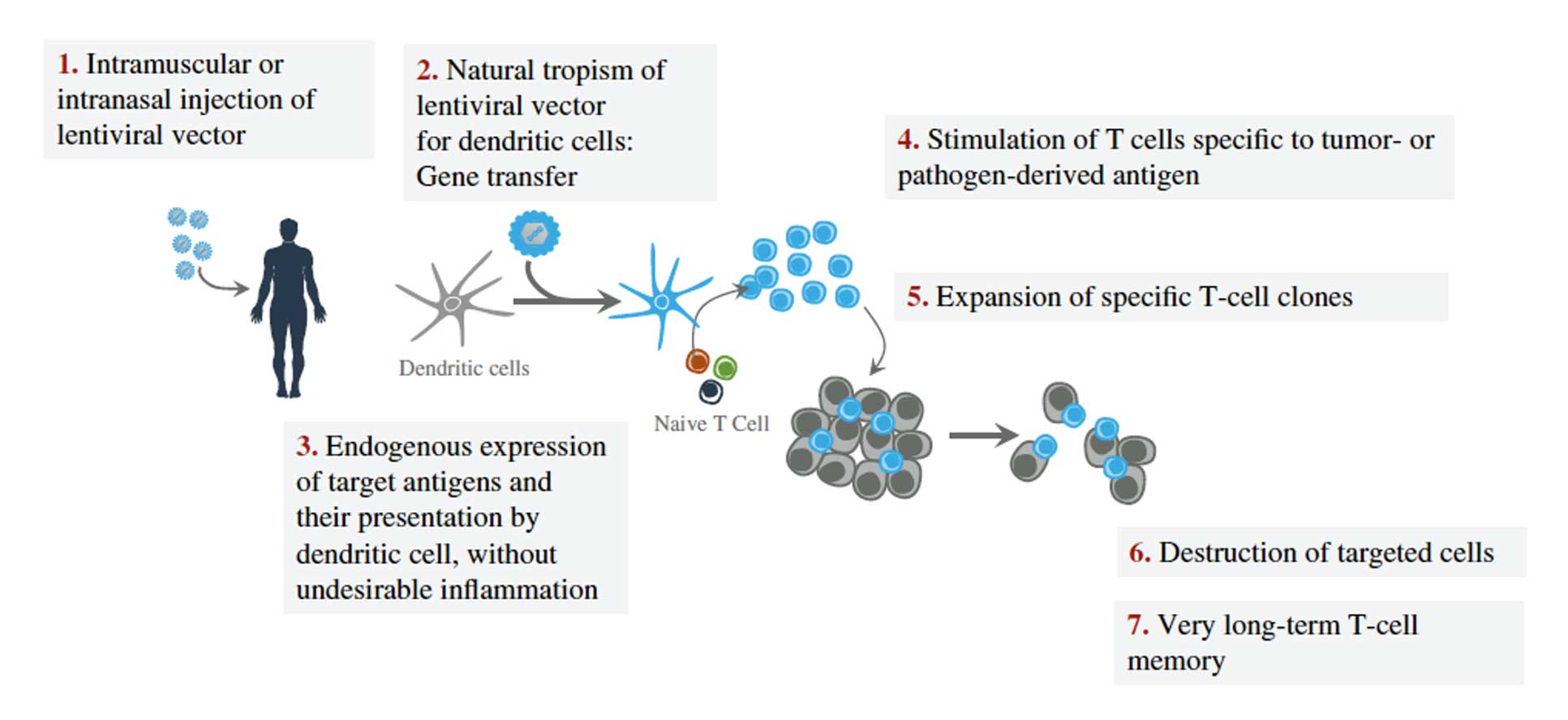
For decades, taking control of dendritic cells has appeared to the scientific community as a major challenge. To take control of a cell, you must be able to penetrate it, which can only be done at the time of cell division. But since dendritic cells don’t divide, no one knew how to get inside them. Until the day when teams from the Pasteur Institute at the forefront of HIV analysis identified the process of penetration of HIV into dendritic cells.
They removed the pathogenic elements of HIV to keep in a simplified manner mainly the envelope* and the mechanism allowing penetration of non-dividing cells. This gene transfer vector, released from the pathogen, is called a lentiviral vector. This lentiviral vector makes it possible to introduce genetic material (antigens) into the dendritic cell to reactivate the immune system.
* The vector is pseudotyped with a heterologous VSV-G envelope from vesicular stomatitis virus.
External sources : Institut Pasteur, Institut Pasteur Network
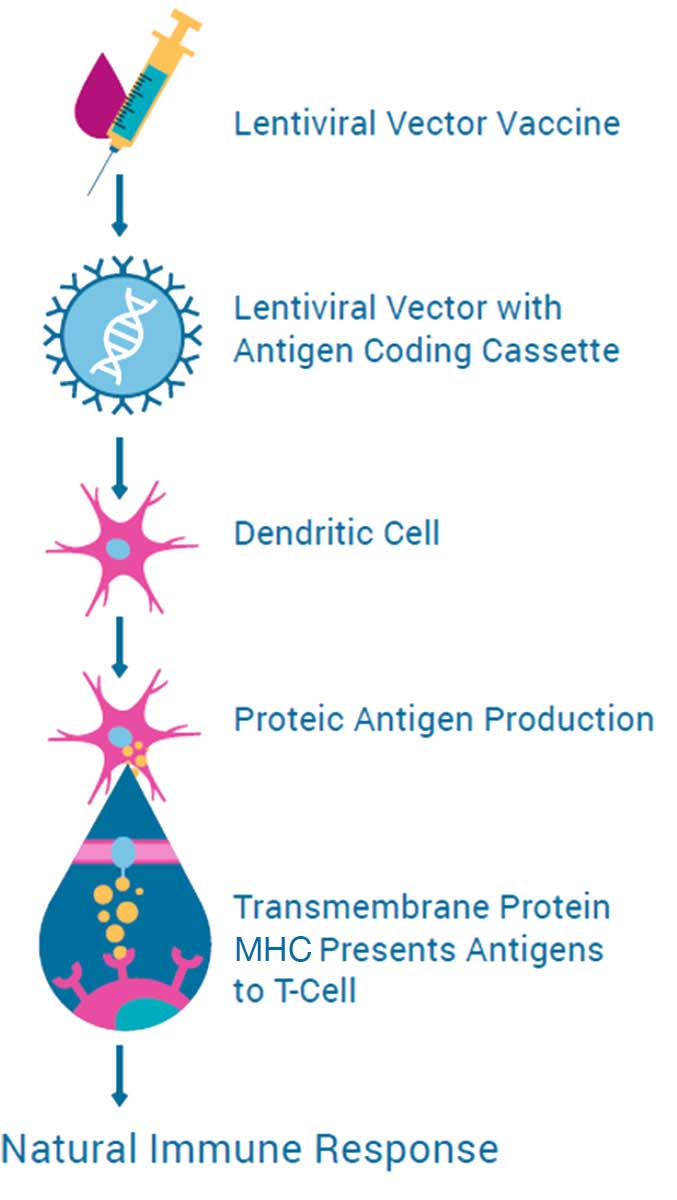
Our Lentiviral Vector is able to carry the genetic information necessary
to stimulate T cells response to address the targeted chosen pathology
- Non-replicative
- Non-integrative*
- Non-pathogenic
- Very weakly inflammatory
- No pre-existing immunity against our vector
- Wide expression cassette enabling complex, multi-epitopic immunogen design
- Natural tropism for dendritic cells
- Sustained endogenous presentation of antigens
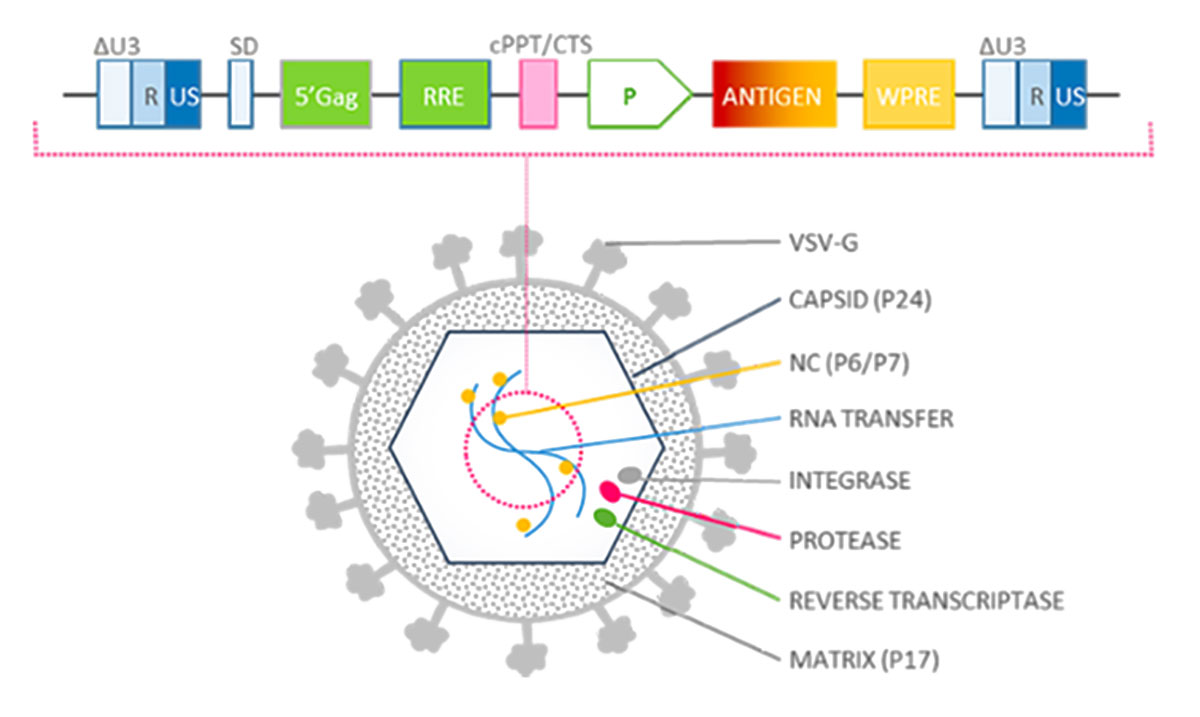
- Key added-value patented optimizations.
- Can transduce dividing and non-dividing cells « in -vitro » and « in-vivo »
The Lentiviral Vector serves to transport specific antigen(s) to each pathology.
Based on more than 20 years of research and development, our lentiviral vector platform
is used to provide the dendritic cell (s) with the necessary antigen (s)
to reprogram the deficient immune system.
* Our LV Platform supports both non-integrative and intregrative lentiviral vector designs.
The lentiviral vector enables the intracellular presentation of antigens of specific interest to each pathology
Once stimulated, dendritic cells activate the appropriate cellular response to eliminate the target cells.
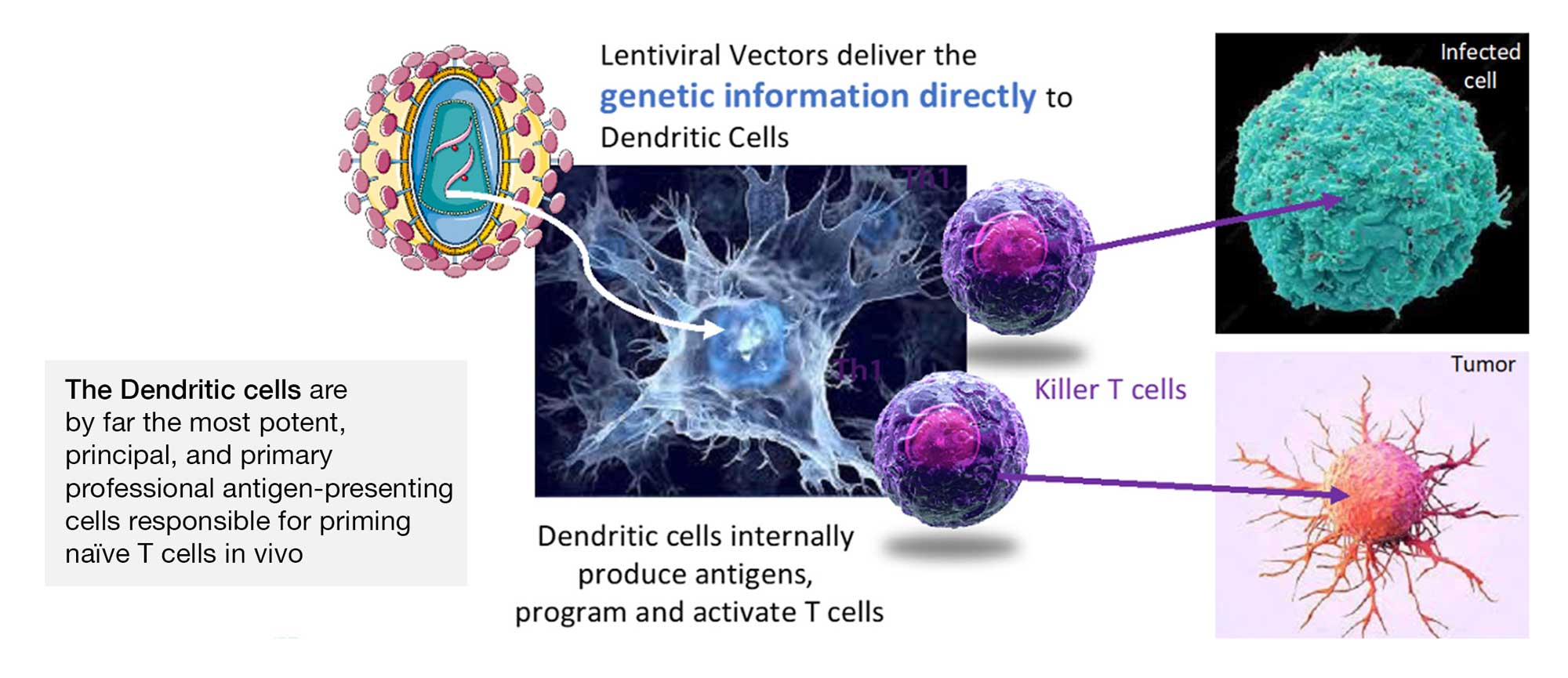
This technological platform should represent a true technological breakthrough in combating diseases for which the antibody response is insufficient and that require a cellular response.
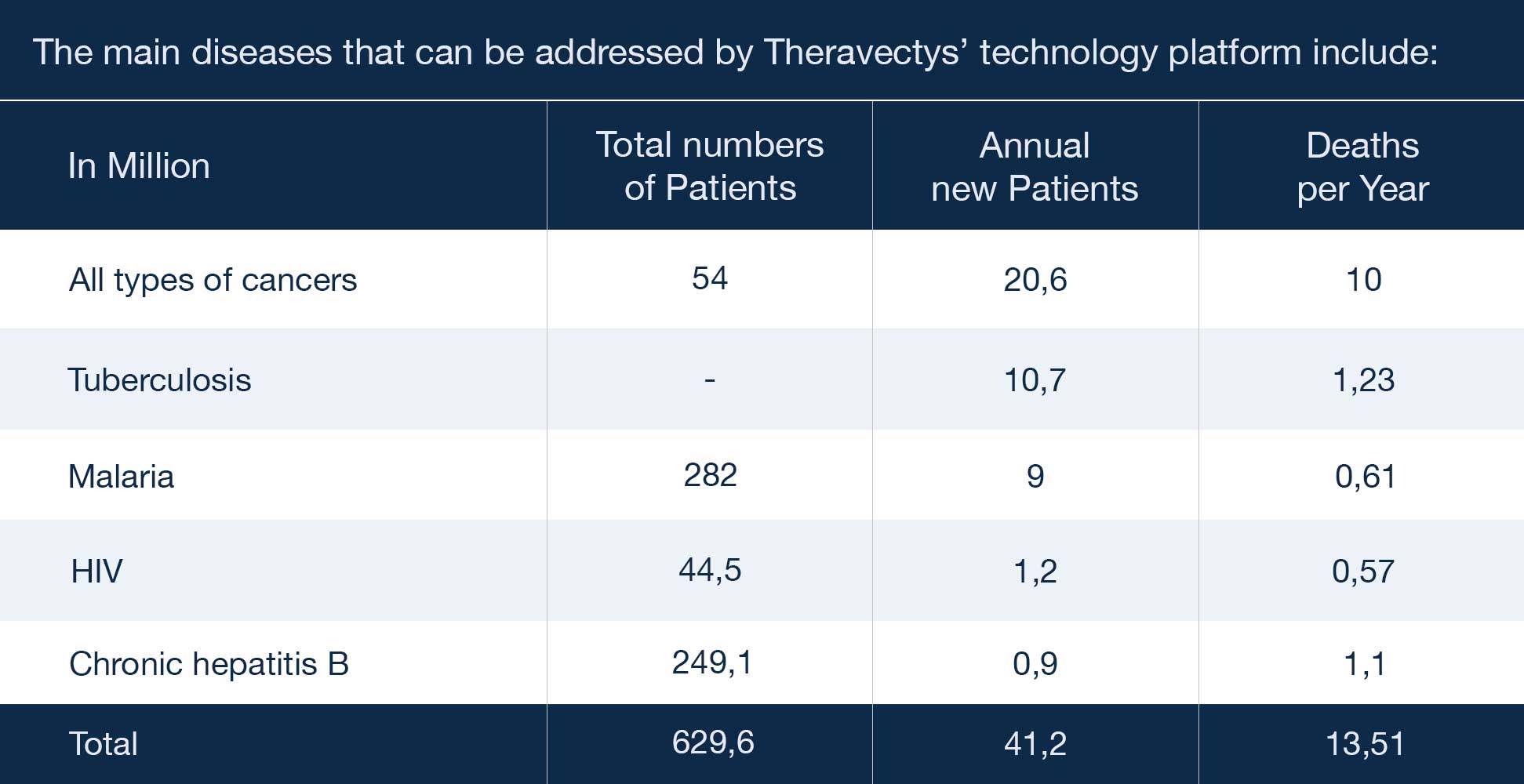
External sources : World Health Organisation, Global Cancer Observatory
(https://gco.iarc.who.int/media/globocan/factsheets/populations/900-world-fact-sheet.pdf, https://www.who.int/data/gho/data/themes/malaria,
https://www.who.int/news-room/releases/12-11-2025-global-gains-in-tuberculosis-response-endangered-by-funding-challenges)
Confirmed safety in humans
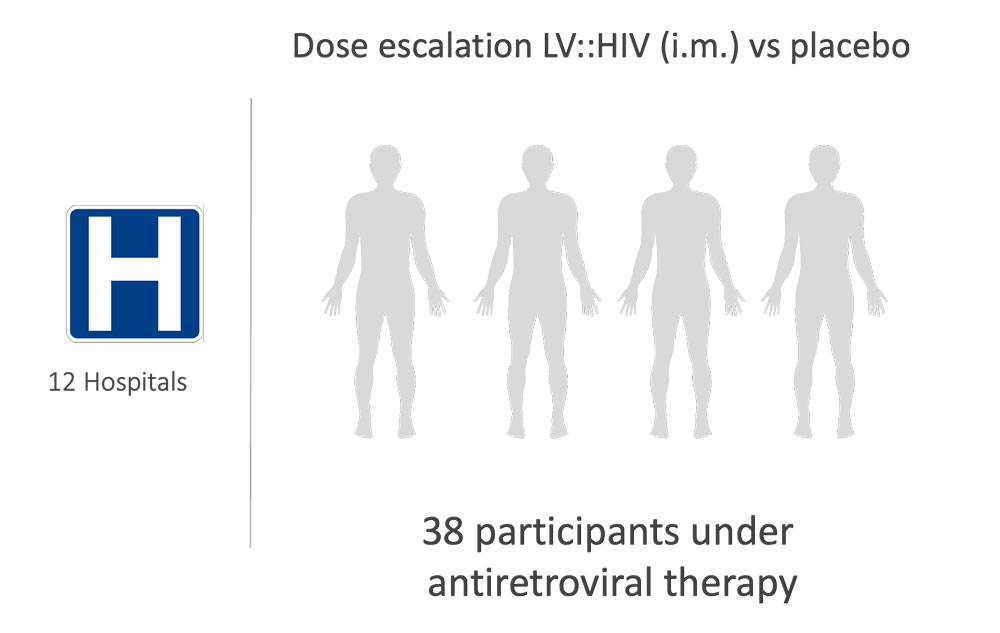
Based on these preclinical results, the company was authorized to launch Phase I/II human trials in France and Belgium, the United States (HPV-induced cancer), and China for our partner in chronic hepatitis B. Overall, the results from more than 60 human patients demonstrated remarkable safety.
In the case of HIV, five years of follow-up showed:
- No serious adverse events
- No integration into the host genome was detected
- No treatment-related safety issues
The safety committees for our HPV-induced cancer trial confirmed the good safety profile of our technology platform.
Our technological platform is also characterized by its very easy administration
Because our lentiviral vector is naturally attracted to dendritic cells, we perform a simple intramuscular injection, and our vectors then automatically migrate to the dendritic cells. And because our vector is virtually non-inflammatory, we can also administer it through contact with mucous membranes, such as by intranasal instillation.